

FIFO Workers and Wedding Rings: Why Your Choice of Material Matters More Than You Think

TL;DR
FIFO workers face unique ring challenges — from ring avulsion dangers on heavy machinery to the social pressure of wearing a wedding band on site. The right FIFO worker wedding ring australia choice depends on your roster, your trade, and your workplace safety rules. This guide covers every option, from tungsten to silicone, so you can wear your band with confidence on and off site.
In This Guide
The FIFO Ring Challenge: Why It’s Different
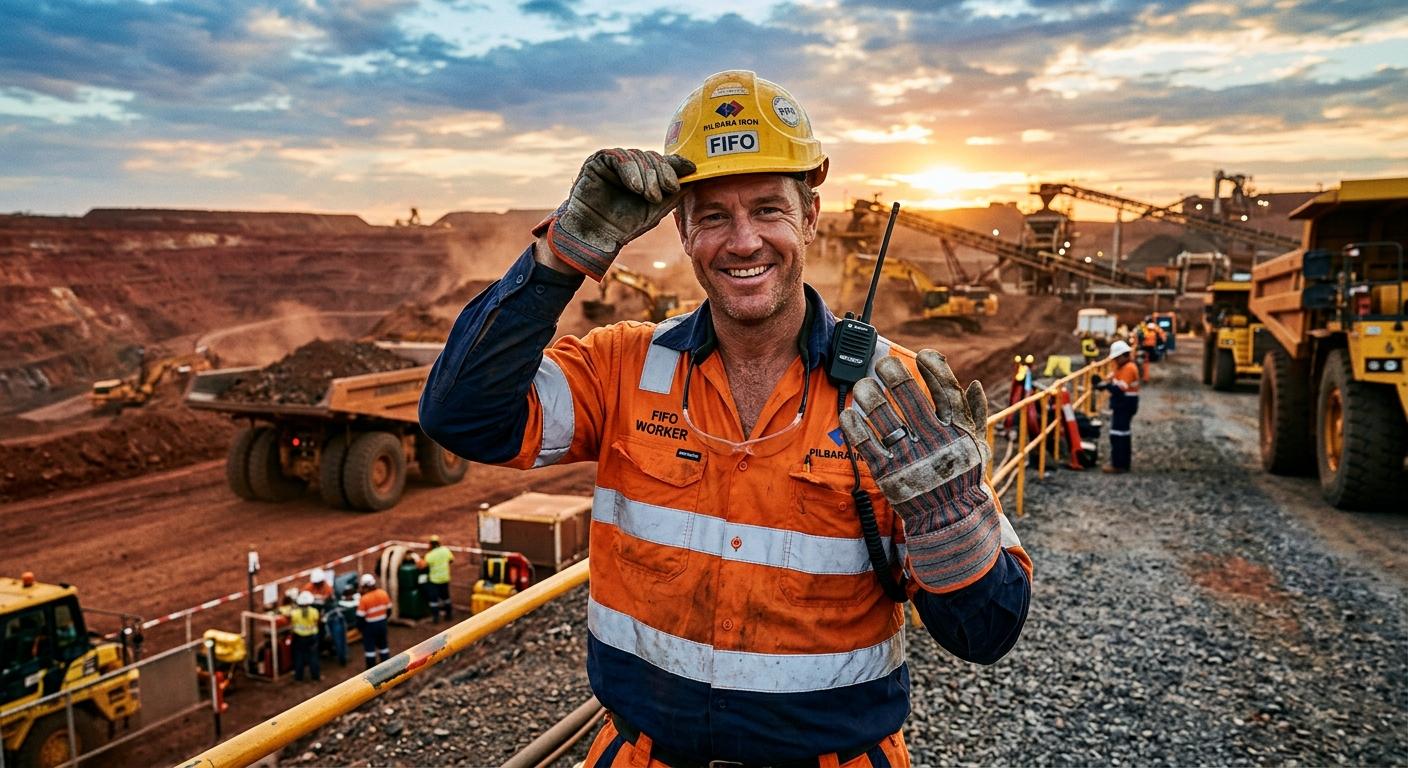
For FIFO workers across Australia’s mining, resources, and construction industries, a FIFO worker wedding ring australia choice carries more weight than for most. You’re spending weeks at a time in environments where the wrong ring can create genuine safety hazards — yet you also want to honour your relationship and wear something that represents your commitment. According to the Minerals Council of Australia, over 150,000 Australians work in the mining sector alone, with FIFO rosters making up a significant portion of the workforce. These workers face a ring dilemma that few guides adequately address.
The core tension: traditional metal wedding rings can be dangerous on worksites involving rotating machinery, conveyor systems, scaffolding, or heavy equipment. At the same time, leaving your ring at home for two or three weeks at a time can feel wrong — and returning to your partner without it raises its own complications. The good news is that today’s ring materials give FIFO workers real options that didn’t exist a decade ago.
Ring Avulsion Risk: What FIFO Workers Need to Know
Ring avulsion is the medical term for what happens when a ring catches on something and the finger is either partially or fully degloved. It sounds extreme, but it is a well-documented workplace injury in Australia’s industrial sector. Safe Work Australia records ring-related injuries as a recurring category in its annual workplace injury data, with most occurring in manufacturing, construction, and mining environments.
The mechanics are straightforward: a metal ring (tungsten, titanium, gold, or stainless steel) does not break under sudden lateral force. If the ring catches on a bolt, rung, or conveyor edge while the hand is moving quickly, the ring remains in place while the hand does not. The result ranges from a dislocated finger to partial amputation. This is not an uncommon scenario — it is why many FIFO employers include ring policies in their site safety inductions.
The key safety distinction is between brittle and flexible rings. Tungsten rings will shatter rather than deform, which can actually reduce avulsion risk in some scenarios. Silicone rings tear safely under load — the band breaks before the finger does. Traditional gold and softer metal bands deform without breaking, which represents the highest avulsion risk category.
Best Ring Materials for FIFO Workers
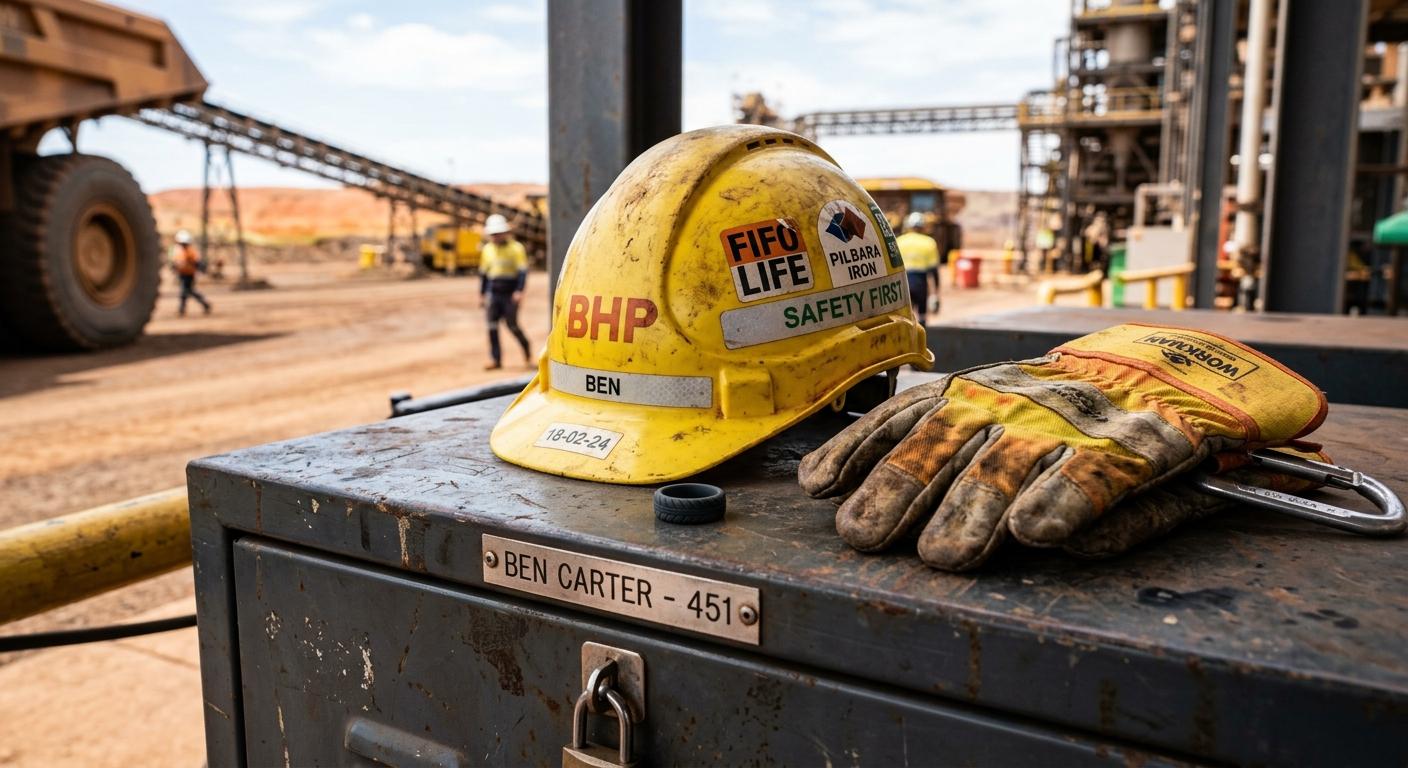
Material choice is everything for FIFO workers. Here is how the main options perform in mining and industrial environments:
Tungsten: Hardest Metal, Unique Safety Profile
Tungsten carbide is the most scratch-resistant ring material on the market — it will not dent, deform, or lose its polish after years of physical work. Unlike gold or titanium, tungsten is extremely brittle under sideways force, meaning it will crack or shatter rather than deform and tighten around a finger. In a ring avulsion scenario, a shattering ring is actually preferable to a deforming one. However, this brittleness means tungsten rings cannot be removed from a finger by cutting — they must be cracked off by a jeweller or emergency responder using vice-grip pliers. Tungsten rings are an excellent choice for off-roster wear, but most FIFO safety protocols require removal during shift.
Titanium: Strong, Light and Safe for Most Sites
Titanium is significantly lighter than tungsten while offering comparable scratch resistance for most work environments. It can be cut from a finger using standard ring cutters, which makes it preferred by emergency medical staff and many mining site safety officers. Titanium rings are a popular choice for FIFO workers who want to wear their band during lighter work tasks and are in environments where removal is managed rather than mandated.
Gold and Precious Metals: Not Recommended for Site Wear
Traditional gold rings are the least appropriate choice for active FIFO site wear. Gold deforms rather than breaks, increasing avulsion risk. Most Australian site safety inductions specifically call out gold and soft metal bands as requiring removal during shift. Gold is best kept for off-roster wear and special occasions.
Why Many FIFO Workers Choose Silicone
Silicone rings have become the go-to solution for thousands of FIFO workers across Australia — and the reason is simple: silicone tears under load. If a silicone ring catches on machinery or equipment, the band breaks before any force is transferred to the finger. This makes silicone rings the only ring type that is genuinely safe to wear in most mining and heavy industrial environments.
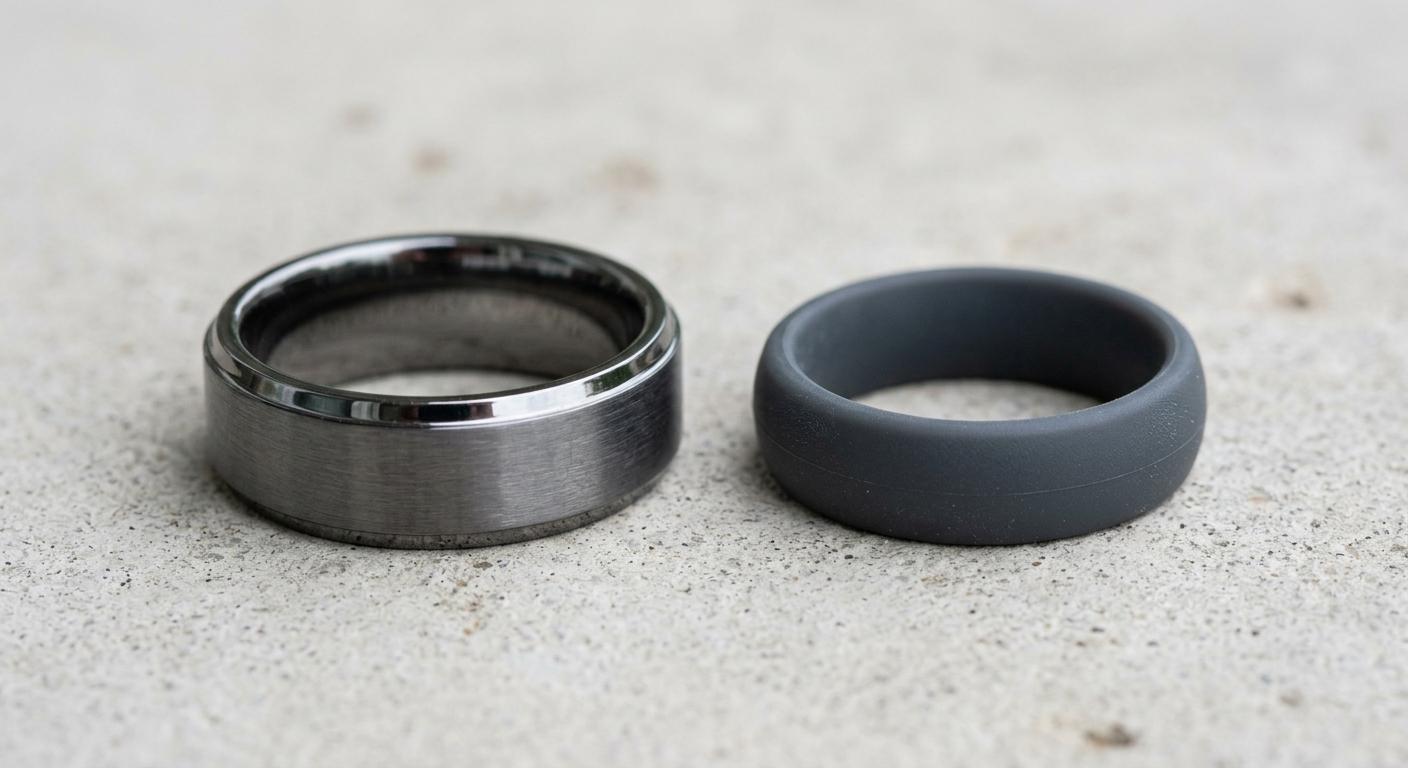
Silicone rings are also waterproof, chemical-resistant, heat-tolerant, and comfortable in gloves. They do not interfere with hand tools or create sparks. Many FIFO workers wear a silicone band on site and keep their formal tungsten or titanium band for time at home. The silicone option typically costs under $50, making it an easy addition to any work kit.
The Two-Ring Strategy
The most practical approach for FIFO workers is the two-ring strategy: a durable, high-quality metal band for home wear and off-roster occasions, and a silicone ring for site wear. This is increasingly standard among married FIFO workers across Australia’s resources sector.
- On site: Silicone band, or no ring if site rules require it
- In camp / off-roster: Formal wedding band (tungsten, titanium, or gold)
- Flying home: Switch to the formal band for the trip and time at home
This approach eliminates risk without requiring you to leave your wedding band behind permanently. Browse the full range at the Men’s Rings Online shop — many FIFO workers order both in the same transaction.
Workplace Safety Rules and Rings in Australia
Australian workplace health and safety legislation (WHS Act 2011) requires employers to identify and manage hazards, which includes jewellery in environments with rotating machinery or entanglement risk. Safe Work Australia’s guidelines on personal protective equipment and jewellery hazards specifically note that rings and bracelets should be removed when working near rotating parts, power tools, or live electrical equipment.
In practice, most FIFO mining and construction sites include a jewellery policy in their site safety induction. Common requirements include:
- No metal rings in areas with rotating machinery
- No jewellery during work with high-voltage electrical equipment
- Silicone rings may be permitted at the site safety officer’s discretion
- All jewellery to be declared and documented at induction
If you are starting a new FIFO role, check your site induction documentation for the specific jewellery policy. When in doubt, a silicone ring or no ring during shift is the safest approach — and carries no social stigma on most modern Australian worksites.
Buying Guide: What to Look For
When choosing a ring specifically for FIFO use, prioritise these features:
- Material durability: Tungsten or titanium for off-site; silicone for on-site
- Comfort fit: A rounded inner profile reduces pressure during extended wear, particularly important when hands swell in heat
- No raised settings: Avoid rings with diamonds or raised stones — they snag on PPE and equipment
- Matte finish: Polished finishes show scratches more readily in physical work environments; matte or brushed finishes age more gracefully
- Width: 6–8mm is the most practical width for work environments — wide enough to look substantial, narrow enough to be comfortable in gloves
Explore the range of men’s rings designed with active and working lifestyles in mind, including styles from Damascus steel to wood inlay. Check out the full Damascus steel ring collection for unique options that hold up to demanding environments.
Frequently Asked Questions
Can FIFO workers wear wedding rings on site in Australia?
It depends on the specific site safety policy. Most Australian mining and construction sites require removal of metal rings near rotating machinery or electrical hazards. Silicone rings are often permitted because they tear safely under load. Check your site induction documentation for the specific jewellery policy.
What is the safest wedding ring for a FIFO worker?
Silicone rings are the safest option for FIFO site wear because they tear under load rather than deforming around the finger. For off-roster wear, tungsten and titanium offer the best durability for active lifestyles.
What is ring avulsion and why does it matter for FIFO workers?
Ring avulsion occurs when a ring catches on equipment and degloving or injures the finger. Metal rings that deform rather than break create the highest risk. Silicone rings tear safely; tungsten rings shatter under lateral force rather than deforming. Both reduce avulsion risk compared to gold bands.
Do Australian WHS laws require FIFO workers to remove rings?
Australian WHS legislation requires employers to control jewellery hazards in workplaces with rotating machinery or electrical equipment. Safe Work Australia guidance recommends removing rings in these environments. Most FIFO sites implement this through their safety induction jewellery policy.
What is the two-ring strategy for FIFO workers?
The two-ring strategy means wearing a silicone ring on site and a formal metal band at home. Many FIFO workers find this the most practical approach to managing ring wear across their roster cycle without compromising safety or symbolism.
Can I engrave a tungsten ring for a FIFO worker?
Yes. Tungsten rings can be laser-engraved on the inner surface and the inscription is extremely durable — it will not wear off even after years of physical work.
References
- Safe Work Australia — Mechanical Hazards in the Workplace
- Minerals Council of Australia — Australian Mining Workforce Data
- WHS Act 2011 (Australia) — Work Health and Safety Act 2011