

Men’s Wedding Ring Insurance in Australia: What’s Covered and How to Claim

What Is Wedding Ring Insurance?
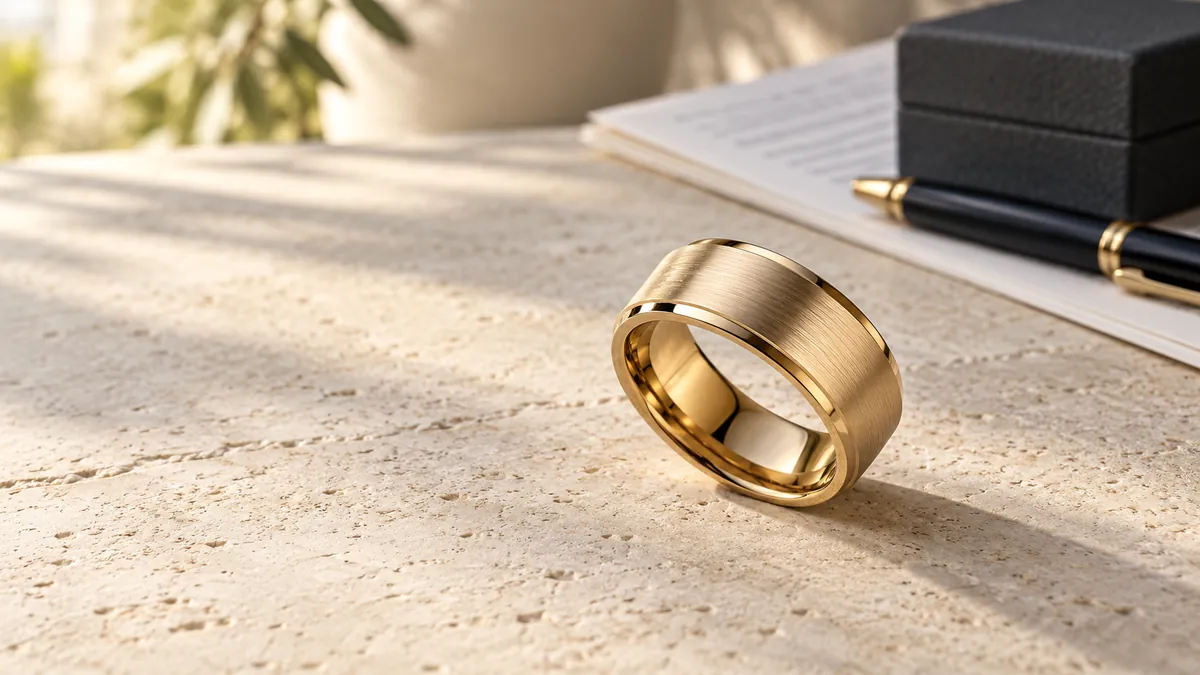
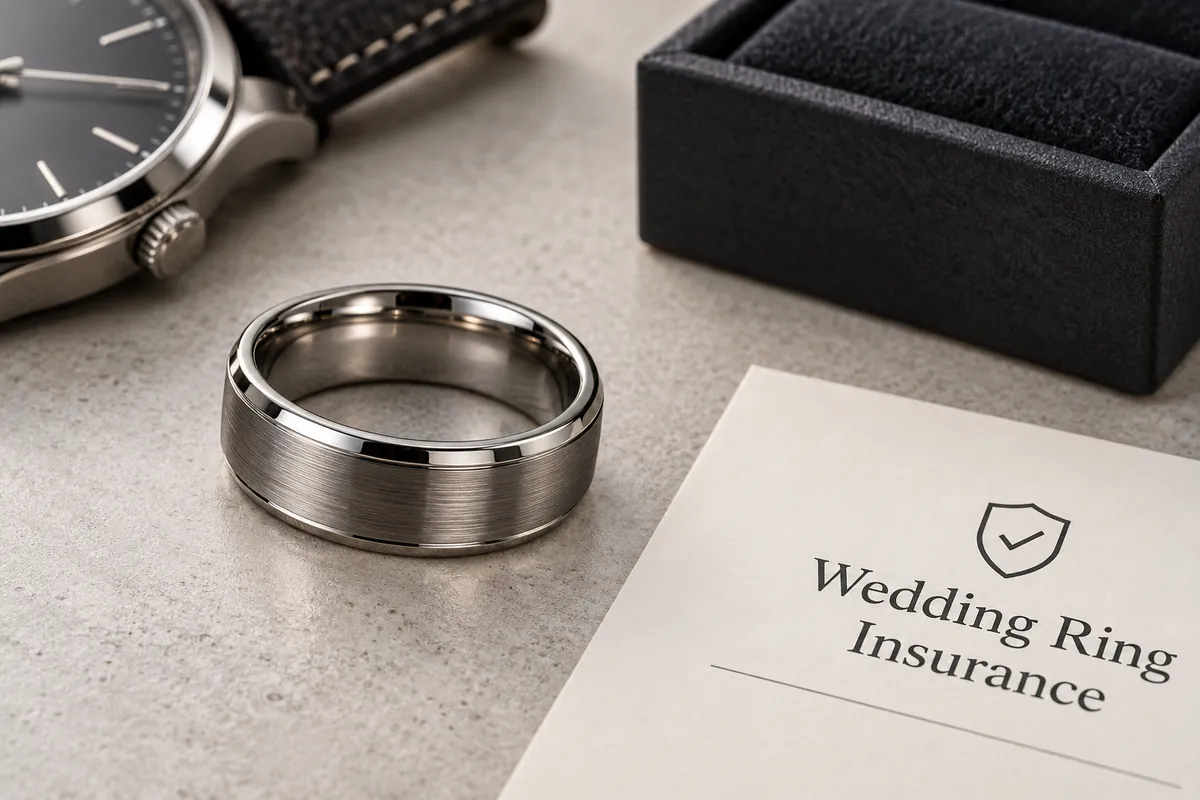
Wedding ring insurance is a policy, or an add-on to an existing policy, that covers your ring against loss, theft, and accidental damage. It sounds like a formality until you’ve actually had to replace a ring, and then it’s the thing you wish you’d sorted out on day one. Men’s bands get knocked around more than most jewellery because they’re worn at work, at the gym, on job sites, and while fixing cars. A tungsten ring might shrug off scratches, but drop it off a boat or lose it down a drain and no amount of hardness rating saves you.
Here’s the bit a lot of blokes don’t realise: standard home and contents insurance in Australia often caps “unspecified” jewellery items at somewhere between $1,000 and $2,500 per item, and sometimes for the whole jewellery category combined. If your ring is a custom titanium piece or sits in the diamond rings for men bracket, that cap won’t come close to covering replacement. That’s where a specified items endorsement or a standalone jewellery policy earns its keep.
It also matters for practical reasons beyond the dollar figure. A proper policy means you’re not stuck arguing with an insurer about what “like-for-like” replacement means for a ring from our men’s rings range, because the valuation and description are already on file.
Choosing the Right Policy
Start with what you already have. Pull out your home and contents policy and check the jewellery sub-limit. Most insurers list it in the product disclosure statement under “unspecified items” or “personal effects.” If your ring’s value is anywhere near or above that limit, you need to either specify it on the existing policy (which usually means a quick valuation and a small premium bump) or take out a separate jewellery insurance policy entirely.
Specified item cover on a home policy is often the cheapest route if you only own one ring worth insuring. A standalone jewellery insurer, on the other hand, tends to offer broader cover, including worldwide protection, cover for accidental loss (not just theft), and no impact on your home insurance claims history if something goes wrong. For a man who travels for work or wears his ring everywhere, that worldwide clause is worth more than it sounds.
Ask three questions before you sign anything: is the payout based on agreed value or market value at time of claim, what’s the excess, and does the policy cover resizing or minor repairs without voiding the agreement? Agreed value policies, where you and the insurer settle on a dollar figure upfront based on a valuation, tend to pay out faster and with fewer arguments than market value policies that reassess everything at claim time.
Types of Cover and Options
There are really three structures you’ll run into. The first is the specified item add-on, bolted onto home and contents insurance, which is simple but limited to the terms of that broader policy. The second is a standalone jewellery or valuables policy, which costs more but gives you dedicated, broader cover including accidental loss away from home. The third, less common but worth knowing about, is cover offered through some retailers at the point of sale, which can be convenient but worth comparing against the other two before you commit.
Within those structures, the real differences show up in the exclusions. Some policies exclude “unexplained loss,” meaning if you genuinely can’t say how or where the ring went missing, you might not be covered. Others exclude damage from wear and tear, which matters less for a tungsten or titanium band since those metals resist scratching, but matters a lot if you’ve gone for a gold ring with inlays or a diamond setting. If you’re after something more resistant to everyday knocks in the first place, it’s worth browsing our everyday heroes collection, built for exactly that kind of daily wear.
Worldwide cover versus Australia-only cover is another split worth checking line by line. If you’re the type who takes the ring off at the beach or the gym (sensible, by the way), ask specifically whether the policy still covers it while off your hand but in your possession, like in a gym locker or hotel safe.
What to Consider Before You Buy
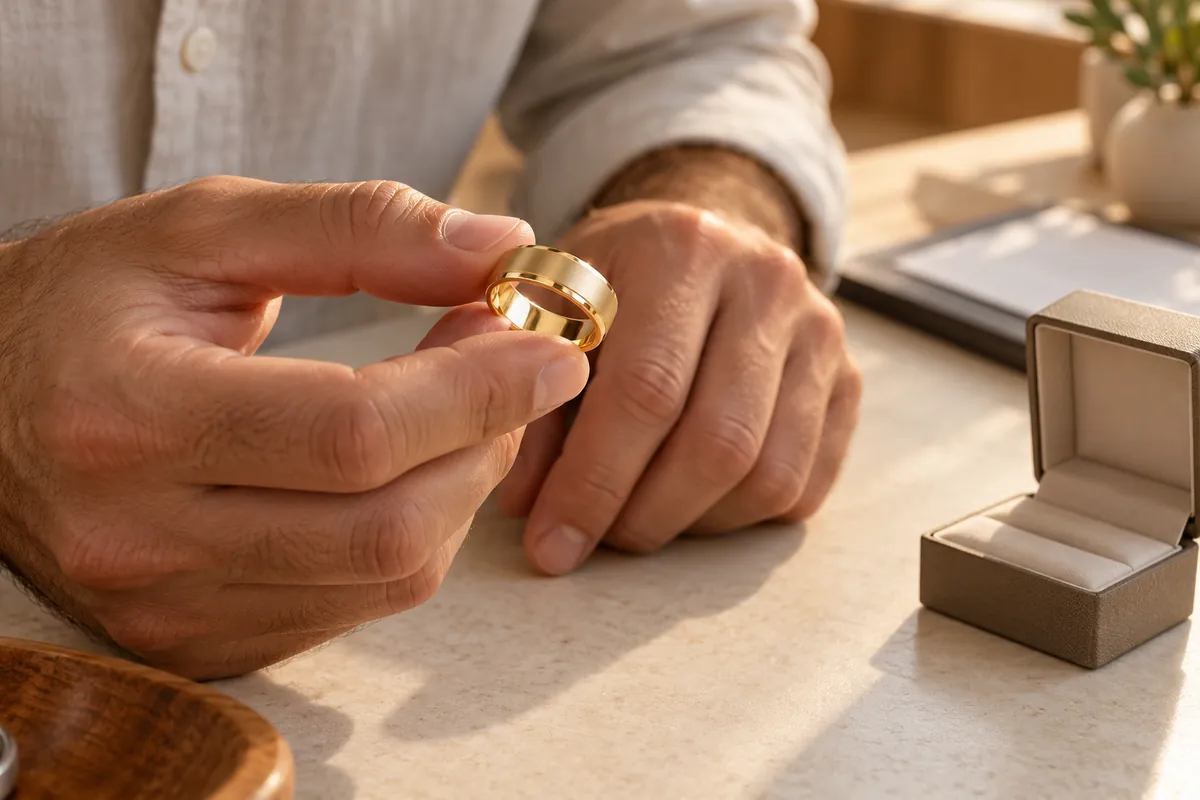
Get a written valuation before you even start comparing insurers. A valuation from an independent jeweller, or the receipt plus a description from where you bought the ring, is what the insurer will use to set your agreed value. Without it, you’re relying on their assessor’s opinion at claim time, and that opinion tends to favour the insurer. Revalue every two to three years, because metal prices move and your original receipt can age out of relevance for claims purposes.
Photograph the ring from multiple angles, including any engraving, hallmark, or serial number if it has one. This sounds excessive until you’re filling out a claim form six months after a theft and trying to describe a ring from memory. If your band came from a matching ring pack with your partner, note that too, since some insurers treat matched sets differently to single items.
Check the excess amount against the ring’s value. A $300 excess on a $600 ring eats half your payout, which might mean self-insuring (just putting the money aside) makes more sense for lower-value bands. For anything in the diamond rings for men category or a solid gold piece, the maths usually flips the other way and insurance is clearly worth it.
Also look at whether the policy covers resizing, re-plating, or minor repair work without it being treated as a new item requiring a fresh valuation. Rings get resized after a few years more often than people expect, particularly after a change in fitness or weight, and you don’t want a routine jeweller visit to accidentally lapse your cover.
Tips From the Experts
Jewellery insurance assessors will tell you the single biggest reason claims get knocked back or delayed isn’t fraud, it’s paperwork. No valuation, no receipt, vague description, no police report for a theft claim. Fix that before anything goes wrong, not after.
Lodge a police report immediately for theft, even if you think recovery is unlikely. Most Australian insurers require a report number to process a theft claim, and the sooner it’s filed, the less awkward the “why did you wait three weeks” conversation becomes. For accidental loss, write down exactly what happened while it’s fresh, including the date, location, and what you were doing. Insurers compare this account against the claim form later, and inconsistencies (even innocent ones from a dodgy memory) can slow things down.
If your ring is from our custom titanium rings range or any made-to-order piece, keep the original order confirmation and any engraving details on file alongside the insurance paperwork. Custom pieces can be harder to value quickly without that documentation, and a quick turnaround matters when you’re trying to replace a ring before an anniversary or before you simply get used to not wearing one.
One more thing worth doing: review the policy annually, not just at renewal. If you’ve swapped your original band for something from our gold rings for men collection or added a pinky ring or a pair of cufflinks that also need covering, your policy needs updating to match, not left running on last year’s valuation.
Frequently Asked Questions
What is the best wedding ring insurance Australia offers?
There’s no single “best” policy because it depends on your ring’s value and how you live. A standalone jewellery policy with agreed value cover and worldwide protection tends to suit active, travelling owners, while a specified item add-on on your existing home insurance works fine for a lower-value band you rarely take off.
How do I know which wedding ring insurance is right for me?
Compare your ring’s valuation against your home policy’s jewellery sub-limit first. If it’s close to or over that cap, or if you want cover for accidental loss away from home, a dedicated jewellery policy or specified item endorsement is usually the better fit.
What should I look for when buying wedding ring insurance?
Check whether payouts are based on agreed value or market value, what the excess is relative to the ring’s worth, and whether resizing or minor repairs are covered without triggering a new valuation. Also confirm whether cover applies worldwide or only in Australia.
Are there budget-friendly wedding ring insurance options?
Specifying your ring on an existing home and contents policy is generally the cheapest way to get proper cover, since you’re adding a small premium to a policy you already pay for rather than starting a new one. For lower-value bands from our in-stock range, some owners choose to self-insure instead, setting aside the replacement cost rather than paying ongoing premiums.