

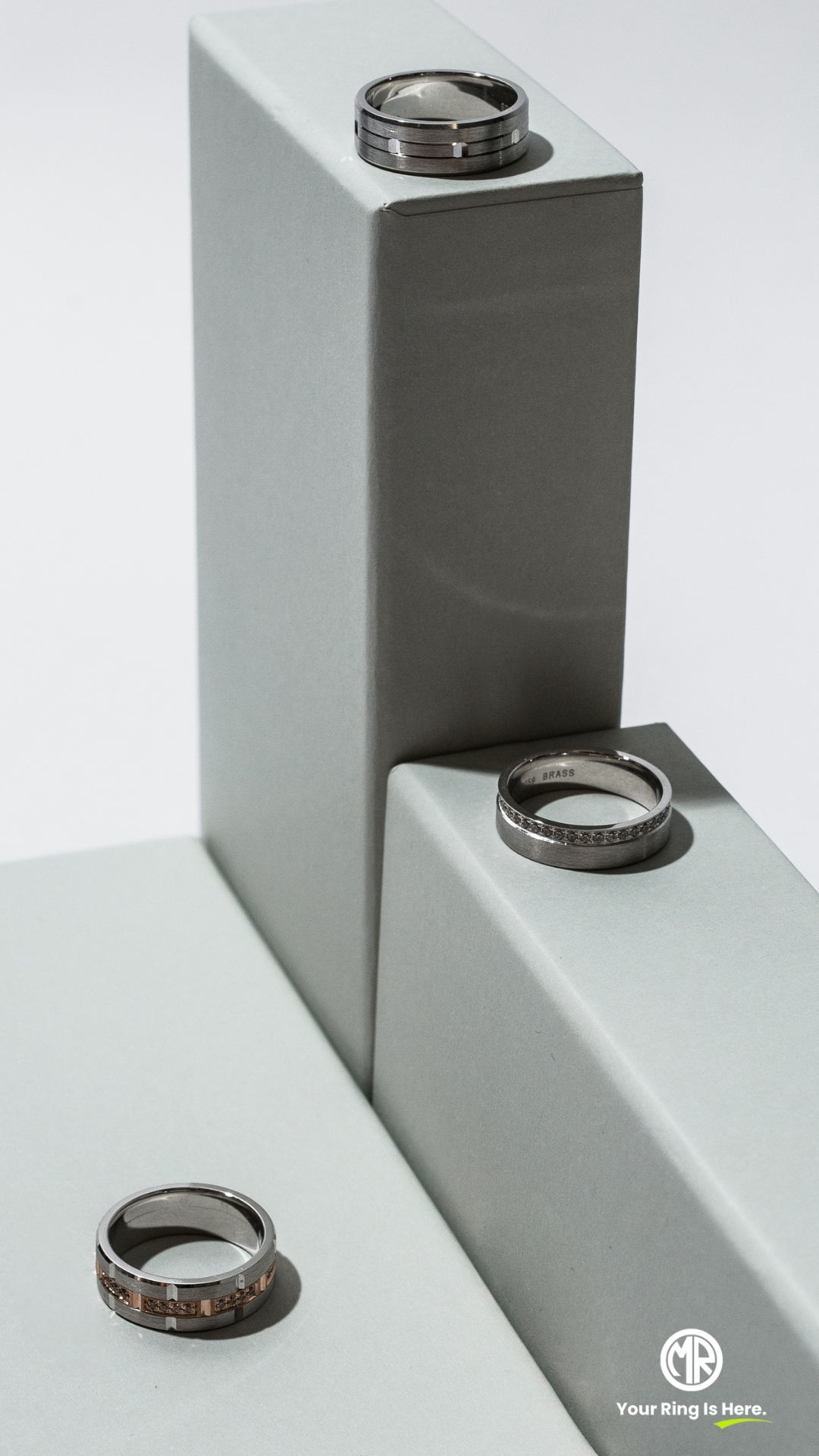
Tungsten, Titanium, or Platinum? Choosing the Right Men’s Ring Material

Choosing between tungsten, titanium and platinum comes down to what you value most: weight, scratch resistance, comfort, prestige or ease of resizing. Each metal is strong in a different way, so the right answer depends on how you’ll wear the ring.
Tungsten: best for weight and scratch resistance
Tungsten rings are popular because they feel solid on the hand and hold their finish exceptionally well in everyday wear. If you like a substantial ring and want something that shrugs off routine scuffs better than softer metals, tungsten is hard to beat.
The trade-off is that very hard materials can be brittle under a sharp impact. Tungsten is excellent for scratch resistance, but it is not the best choice if you expect the ring to bend rather than crack.
Titanium: best for lightweight daily wear
Titanium rings are much lighter than tungsten and very comfortable for all-day wear. They are ideal for men who want a durable modern ring without the weight of a denser metal.
Titanium is tough and corrosion resistant, but it’s worth being precise here: it is not scratch-proof. Over time, it can still pick up wear marks, just usually with less fuss than softer precious metals.
Platinum: best for traditional luxury
Platinum sits in a different lane. It has a premium weight, a classic precious-metal look and strong long-term appeal for buyers who want something more traditional. It also comes with a much higher price tag than most tungsten or titanium styles.
Quick comparison
- Choose tungsten if you want strong scratch resistance, a heavier feel and sharp modern styling.
- Choose titanium if you want lightweight comfort, corrosion resistance and easy daily wear.
- Choose platinum if you want prestige, precious-metal heritage and a more traditional luxury option.
Shop the relevant categories
If you’re narrowing down options, our Titanium vs Tungsten guide goes deeper on feel, durability and fit.