

Wide vs Narrow Wedding Bands: Which Width Actually Looks Best and When?

TL;DR
Wedding band width comparison men australia: the right width for your wedding ring depends on your finger size, lifestyle, and personal style — not a universal rule. Wide bands (8–12mm) make a bold statement and suit larger hands; narrow bands (4–6mm) are understated and comfortable for everyday active wear. This guide breaks down exactly when and why each width works best.
In This Guide
- What Ring Width Actually Means
- Narrow Wedding Bands (4–6mm): Who They Suit
- Medium Width Bands (6–8mm): The Versatile Middle
- Wide Wedding Bands (8–12mm): Who They Suit
- Finger Proportions: How to Match Width to Your Hand
- Lifestyle and Context: Does Width Matter Practically?
- Style Verdict: Wide vs Narrow in Australia 2026
- Frequently Asked Questions
What Ring Width Actually Means
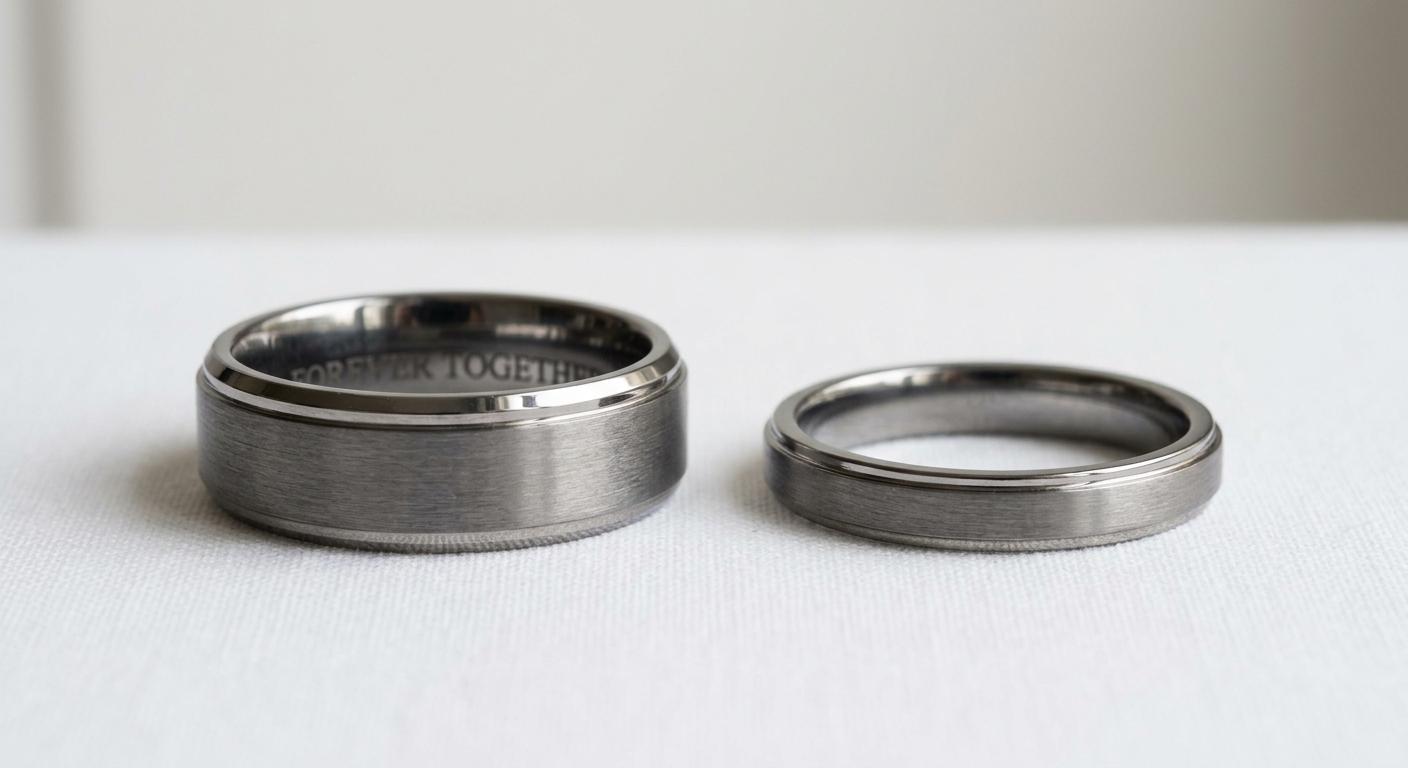
Wedding band width comparison men australia is one of the most searched-for ring decision topics — and for good reason. Width is the single most visible variable in ring design. A 4mm band reads as delicate and understated; a 10mm band reads as substantial and bold. Everything in between is a choice about proportion, presence, and personal expression.
Ring width is measured in millimetres across the widest point of the band as it sits on the finger. Standard widths for men’s wedding bands in Australia range from 4mm at the narrow end to 12mm at the wide end, with 6mm and 8mm being the most commonly purchased widths. According to Australian jewellery sales data compiled by the Jewellers Association of Australia, the 6–8mm range accounts for approximately 60% of all men’s wedding ring purchases, reflecting a market preference for the versatile middle range.
Narrow Wedding Bands (4–6mm): Who They Suit
Narrow wedding bands in the 4–6mm range are the understated choice. They read as classic, restrained, and elegant rather than bold or statement-making. Men who choose narrow bands often describe it as not wanting their ring to dominate their hand — they want it to be present without being the first thing anyone notices.
Best For
- Men with slimmer or shorter fingers: A narrow band maintains proportion on a smaller hand without looking like the ring is wearing the person.
- Men in professional environments: In conservative business settings — legal, medical, finance — a narrow band integrates seamlessly without drawing attention.
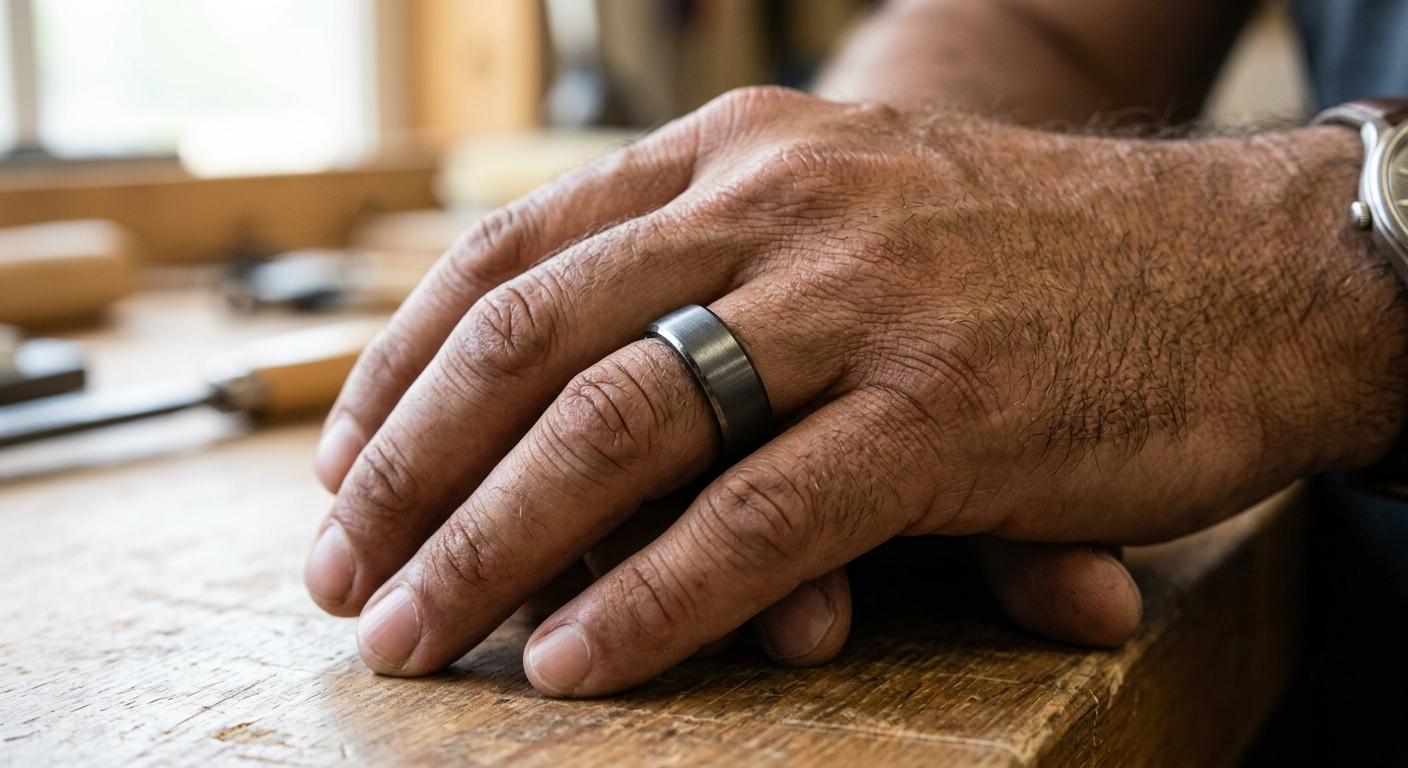
- Active lifestyles: Narrower bands sit lower on the finger and interfere less with hand tools, gloves, and physical activity. A 4mm titanium band is practically invisible under a work glove.
- Men who prefer comfort over presence: Narrower bands are lighter and less noticeable during extended wear.
Material Recommendations for Narrow Bands
For narrow bands, titanium is often the best choice — its low weight means even a polished narrow band sits barely-there on the finger. Tungsten in narrow widths is also available and durable, though heavier per millimetre than titanium.
Medium Width Bands (6–8mm): The Versatile Middle
The 6–8mm range is the sweet spot for most Australian men — substantive enough to be clearly visible as a wedding band, but not so wide that it becomes the dominant element of a hand’s appearance. This is the reason 6mm and 8mm are the two most popular widths sold in Australia.
Who 6mm Suits
A 6mm band is the classic men’s wedding band width — associated with traditional wedding rings across multiple decades and cultures. It suits most finger sizes and proportions, works in both formal and casual contexts, and reads as deliberate without being bold. For men who are uncertain about width, 6mm is the safest choice.
Who 8mm Suits
An 8mm band is the most popular choice for men who want visible presence without going into wide territory. It suits men with average to large fingers, works well in modern matte-black tungsten designs, and reads as confident without requiring any explanation. Many Australian tradies and physically built men prefer 8mm for its combination of substance and practicality.
The full range of widths is available across the men’s ring collection, with width clearly specified in each product listing. You can also browse by material — tungsten rings in particular are popular in the 6–10mm range.
Wide Wedding Bands (8–12mm): Who They Suit
Wide wedding bands — typically 8mm and above — make a statement. They are the choice for men who want their ring to be genuinely visible, who have large hands, or who prefer a bold, modern aesthetic. Wide bands are associated with the contemporary men’s jewellery trend toward more prominent personal accessories.
Best For
- Men with large hands and thick fingers: Proportionality matters. A 10mm band on a large, broad hand looks balanced. The same ring on a slender finger can look overwhelming.
- Men who want a bold statement ring: Wide bands command attention. If you want your ring to be noticed, a 10mm matte black tungsten band achieves that effortlessly.
- Specific material choices: Wood inlay and Damascus steel designs often look more impressive in wider widths — the inlay pattern has more surface area to shine. Browse the wood inlay ring and Damascus steel ring collections to see how widths affect these designs.
Potential Drawbacks of Wide Bands
- More noticeable discomfort during extended physical activity
- May be impractical under gloves in some work environments
- Proportion can look off on smaller or slimmer hands
Finger Proportions: How to Match Width to Your Hand
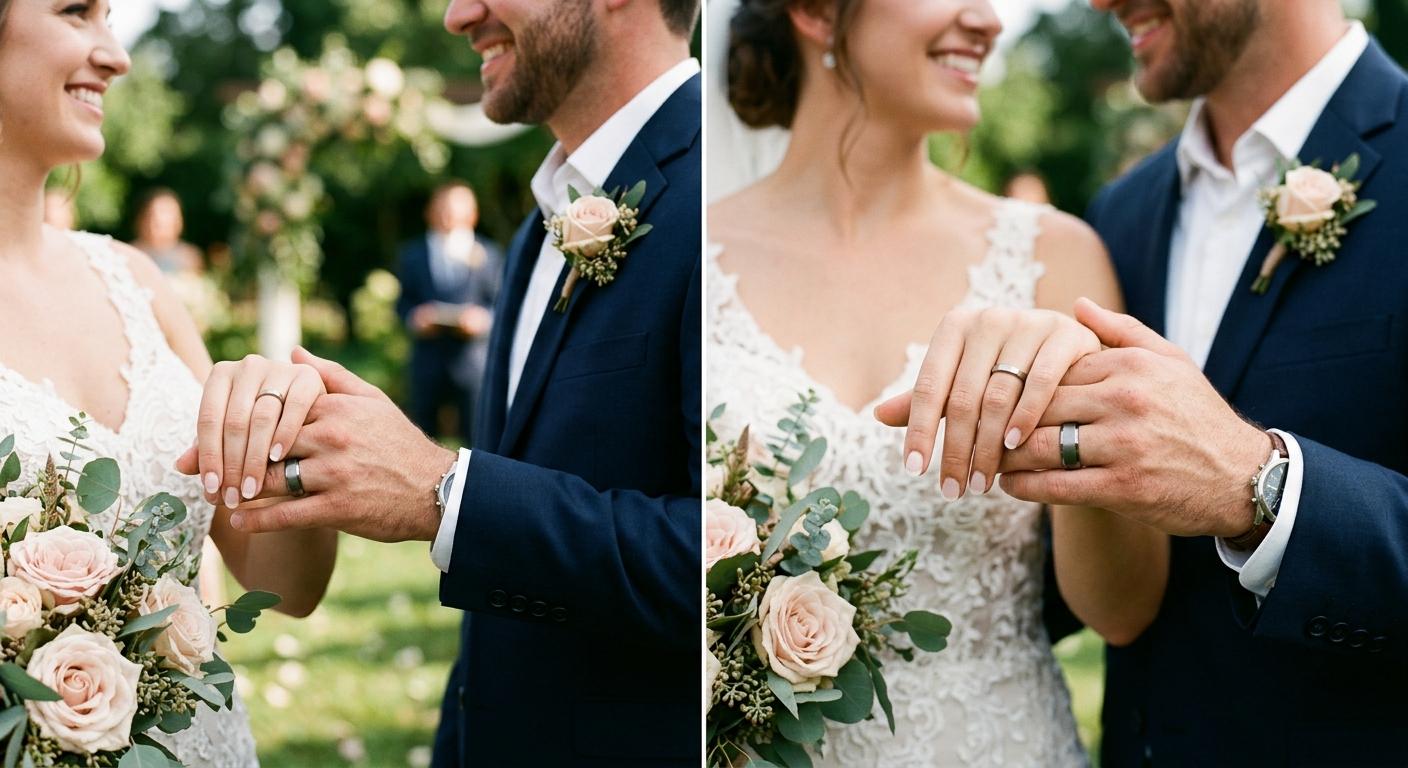
The single most reliable principle for choosing ring width is proportion: the ring should look like it belongs on your hand, neither too small to register nor too wide to look right.
A practical guide:
- Finger circumference under 55mm (size P or smaller): Narrow to medium width recommended (4–6mm). Wide bands will look disproportionate.
- Finger circumference 55–65mm (size Q to V): Medium width ideal (6–8mm). Both narrow and wide options are worth considering depending on personal preference.
- Finger circumference over 65mm (size W or larger): Medium to wide width recommended (8–12mm). Narrow bands can appear lost on larger fingers.
When in doubt, try on rings in person if you can. If ordering online, many Australian retailers allow size exchanges — order your likely size and try it on to verify proportion before committing. See the full range at the Men’s Rings Online shop.
Lifestyle and Context: Does Width Matter Practically?
Beyond aesthetics, width has practical implications:
- Physical work: Narrower bands (4–6mm) are more comfortable under gloves and interfere less with hand tools. Wide bands can create pressure points during extended glove wear.
- Sport: Same principle — a slim band is less intrusive during training. Wide bands may need to be removed for contact sports. Consider a silicone ring companion for sport regardless of your formal band’s width.
- Ring comfort over time: Wide bands can feel more noticeable on the finger during the first weeks of wearing. Most men adjust within a month. Comfort-fit (rounded inner profile) options reduce this adaptation period significantly for wide bands.
- Gold vs alternative metals: Wide bands in gold are significantly heavier than the same width in titanium. Weight preference should factor into width decisions for precious metal rings.
Style Verdict: Wide vs Narrow in Australia 2026
The current trend in Australian men’s wedding rings is toward medium-to-wide bands (6–10mm) in bold finishes — matte black, brushed grey, and dark tungsten are dominant. The traditional narrow gold band has declined in popularity among men under 40, while the 8mm matte black tungsten or titanium band has become something close to the de facto Australian men’s wedding ring of the current decade.
That said, trends do not dictate the right choice. A 4mm polished titanium band is genuinely elegant and timeless. A 12mm Damascus steel ring is genuinely striking. The verdict depends on your hands, your lifestyle, and what you want your ring to say — if anything — about who you are.
{
“@context”: “https://schema.org”,
“@type”: “FAQPage”,
“mainEntity”: [
{
“@type”: “Question”,
“name”: “What is the most popular men’s wedding band width in Australia?”,
“acceptedAnswer”: {
“@type”: “Answer”,
“text”: “The 6–8mm range accounts for approximately 60% of men’s wedding ring purchases in Australia. The 6mm width is the most traditional choice, while 8mm is increasingly popular among men who want a visible, substantial band. Matte black tungsten at 8mm is arguably the most popular single ring profile in the current Australian market for men under 40.”
}
},
{
“@type”: “Question”,
“name”: “Should I choose a wide or narrow wedding band?”,
“acceptedAnswer”: {
“@type”: “Answer”,
“text”: “The main factors are finger size and personal style. Wide bands (8mm+) suit larger hands and men who want their ring to be a visible statement. Narrow bands (4–6mm) suit slimmer fingers, professional environments, and active lifestyles where comfort during physical work matters. When in doubt, try on both widths — the right choice is usually immediately obvious once the ring is on your hand.”
}
},
{
“@type”: “Question”,
“name”: “Do wide wedding bands feel uncomfortable during physical work?”,
“acceptedAnswer”: {
“@type”: “Answer”,
“text”: “Wide bands can create additional pressure during extended glove wear or physical activity, particularly in the first weeks of wearing. Most men adjust within a month. Comfort-fit rings (with a rounded inner profile) significantly reduce this adaptation period. For heavy physical work, many men with wide formal bands use a silicone ring on-site and wear their formal band at home and during social occasions.”
}
},
{
“@type”: “Question”,
“name”: “What ring width suits larger hands best?”,
“acceptedAnswer”: {
“@type”: “Answer”,
“text”: “Men with large hands and thick fingers generally look best in medium to wide bands — 8–12mm. A narrow band on a large, broad hand can look undersized and disproportionate. The goal is proportion: the ring should look like it belongs on the hand, neither too small to register nor too wide to look right. Try on both 8mm and 10mm if you have large hands to find the proportional sweet spot.”
}
},
{
“@type”: “Question”,
“name”: “Can you resize a wide tungsten wedding band?”,
“acceptedAnswer”: {
“@type”: “Answer”,
“text”: “No. Tungsten rings, regardless of width, cannot be resized due to the hardness of the material. The same applies to most alternative metals including titanium. Sizing must be accurate at the time of purchase. Most quality Australian retailers offer a free size exchange policy for this reason. Order from a retailer that explicitly offers free exchanges.”
}
},
{
“@type”: “Question”,
“name”: “Is 6mm or 8mm more popular for men’s wedding rings in Australia?”,
“acceptedAnswer”: {
“@type”: “Answer”,
“text”: “Both are very popular. The 6mm width is the traditional standard — present for decades as the ‘classic’ men’s band. The 8mm width has grown significantly in popularity in the past five years, particularly in matte black tungsten and titanium designs. In 2026, 8mm is arguably more popular than 6mm among Australian grooms under 40, while 6mm remains the preferred choice for men who prioritise a classic, low-profile look.”
}
}
]
}
Frequently Asked Questions
What is the most popular men’s wedding band width in
The 6–8mm range accounts for approximately 60% of men’s wedding ring purchases in Australia. The 8mm matte black tungsten band is arguably the most popular single profile among Australian grooms under 40 in 2026.
Should I choose a wide or narrow wedding band?
The main factors are finger size and personal style. Wide bands suit larger hands and men who want a visible statement. Narrow bands suit slimmer fingers, professional environments, and active lifestyles. Try on both widths to find what looks and feels right on your hand.
Do wide wedding bands feel uncomfortable during
Wide bands can create additional pressure under gloves. Comfort-fit rings reduce adaptation time. Many men with wide formal bands use a silicone ring for physical work and their formal band for everyday wear and social occasions.
What ring width suits larger hands best?
Men with large hands and thick fingers generally suit 8–12mm bands. A narrow band can look undersized and disproportionate on a large, broad hand. Try both 8mm and 10mm to find the proportional sweet spot.
Can you resize a wide tungsten wedding band?
No. Tungsten rings cannot be resized regardless of width. Order from a retailer with a free size exchange policy to ensure a perfect fit.
Is 6mm or 8mm more popular for men’s wedding rings in
Both are very popular. The 8mm width has grown significantly in the past five years, particularly in matte black tungsten. The 6mm remains preferred by men who want a classic, lower-profile look. In 2026, 8mm is arguably more popular among Australian grooms under 40.
References
- Jewellers Association of Australia — JAA Consumer Buying Guide — Men’s Wedding Rings
- Australian Men’s Style Guide (GQ Australia) — Men’s Ring Trends in Australia
- Fair Trading NSW — Consumer Rights for Jewellery Purchases in NSW