
The History and Rise of Alternative Metal Wedding Rings in Australia

TL;DR
Alternative metal wedding rings took off in Australia because blokes wanted bands that were tougher, lighter, more affordable, and less fussy than traditional gold. Today, tungsten, titanium, black zirconium, ceramic and carbon fibre give couples a proper range of looks — from clean and minimal to bold and modern — without giving up everyday wearability.
In This Guide
The story of alternative metal wedding rings in Australia is pretty simple: men wanted a wedding band that could keep up with work, sport, and daily life without costing a fortune or feeling precious. Once materials like tungsten, titanium, and ceramic became easy to buy online, the category stopped being niche and started feeling normal.
If you look at the modern market, the rise wasn’t just about price. It was about fit, comfort, style, and the freedom to wear something that looked clean and current. That’s why ranges like tungsten rings, titanium rings, black rings, ceramic rings, carbon fibre rings, and the full shop have become go-to options for blokes who want a wedding ring that feels like them.
Why alternative metals took off in Australia
Alternative metals gained traction because they solved a real problem. A lot of men did not want a soft, high-maintenance band they’d worry about scratching every time they picked up a tool, hit the gym, or worked outdoors. Hard-wearing metals made wedding rings feel more practical and less fragile, which mattered in the Australian market.
In plain terms, the rise came from lifestyle. Aussie buyers tend to like gear that lasts, does the job, and does not need babying. That attitude maps perfectly to alternative metal wedding rings, especially when the ring is expected to cope with heat, sweat, dust, and hard use.
There was also a style shift. Traditional yellow gold still has its place, but more men started wanting darker finishes, brushed textures, and sharper silhouettes. Alternative metals made those looks accessible without going fully custom. The result was a category that felt modern without trying too hard.
The shift away from traditional gold
Alternative metals started climbing once buyers realised a wedding ring did not have to be gold to feel serious. That change happened gradually, as men saw more bands on wrists and hands that looked refined in silver-grey, black, or matte finishes rather than classic polished gold.
For many blokes, gold was still the default for decades because that’s what weddings looked like. But over time, men began to treat the ring like part of their everyday kit, not just a ceremonial item. Once the ring became something worn at work, on weekends, and in photos, durability mattered more than tradition alone.
The shift also came from better education. Buyers learned that different metals bring different benefits: titanium is feather-light, tungsten has serious heft and scratch resistance, ceramic keeps a crisp clean look, and carbon fibre brings a unique technical feel. That mix gave people a reason to move beyond the old standard.
Materials that changed the game
The category really changed once the materials themselves became the story. Instead of asking for “a ring,” buyers started choosing between properties: weight, finish, colour, strength, and comfort. That’s when alternative metal wedding rings became a proper product class rather than a cheap substitute.
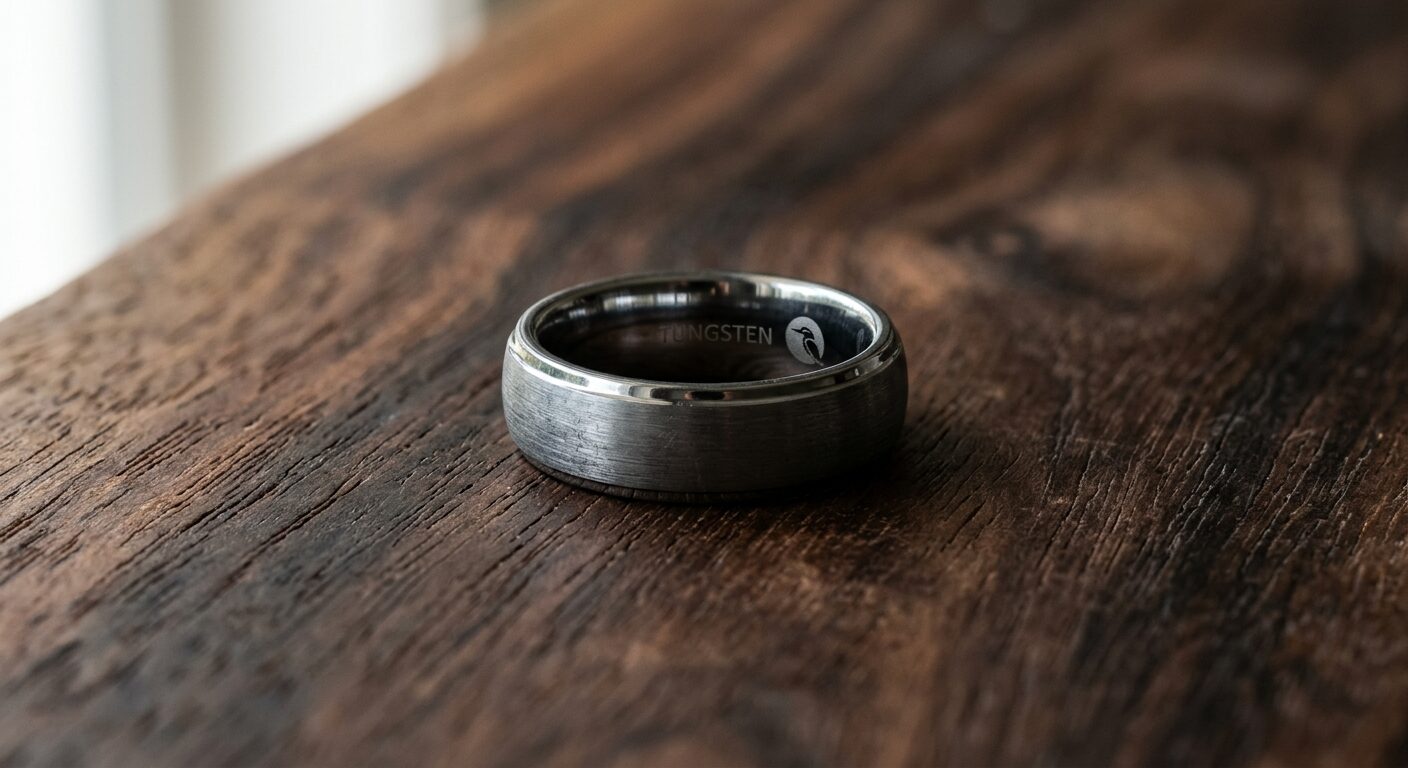
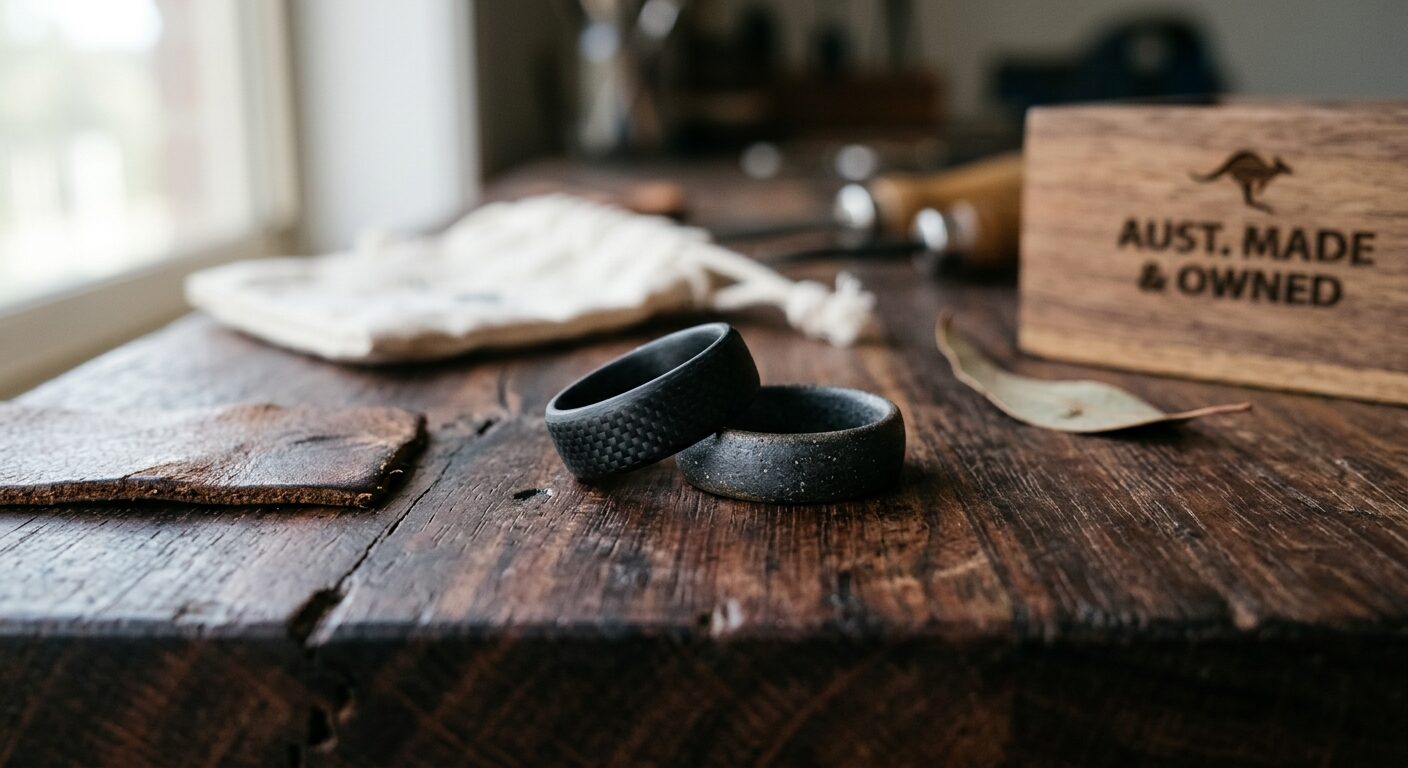
Tungsten stood out because it looks sharp and feels solid on the hand. Titanium appealed to men who want something lighter and more understated. Black zirconium and black-coated styles brought a darker, more modern edge. Ceramic offered a sleek, contemporary finish, while carbon fibre added a technical, masculine look that felt different from anything traditional.
These materials did more than look good. They changed expectations. Men no longer had to accept a ring that scratched easily, felt too soft, or looked the same as everyone else’s. That’s why categories like damascus steel rings and wood inlay rings also found an audience: people wanted texture, character, and a bit of story in the metal.
What Aussie buyers value most
Aussie buyers usually care about three things first: comfort, durability, and whether the ring suits their style. Price matters too, but not as much as getting something that feels right every day. That’s why alternative metals have done so well here; they line up with how men actually wear rings in real life.
The comfort factor is huge. If a ring is too heavy, too shiny, or too precious-feeling, a lot of blokes just won’t wear it. Materials like titanium and ceramic are popular because they feel easy to live with. Tungsten wins with guys who like a solid, substantial band. Black styles often appeal because they feel less formal and more wearable.
There’s also the practical side of heat, labour, and movement. Australian men often work in environments where a ring needs to handle knockabout conditions. Alternative metals became popular because they make sense for that life. They are not trying to be jewellery in the fragile sense — they are built to be worn.
Style and practicality in the real world
Alternative metal wedding rings work because they balance appearance and function without making either one too complicated. A man can wear a matte titanium band to a wedding, then keep it on for work on Monday without feeling like he’s carrying around a delicate heirloom. That versatility is a big part of the appeal.
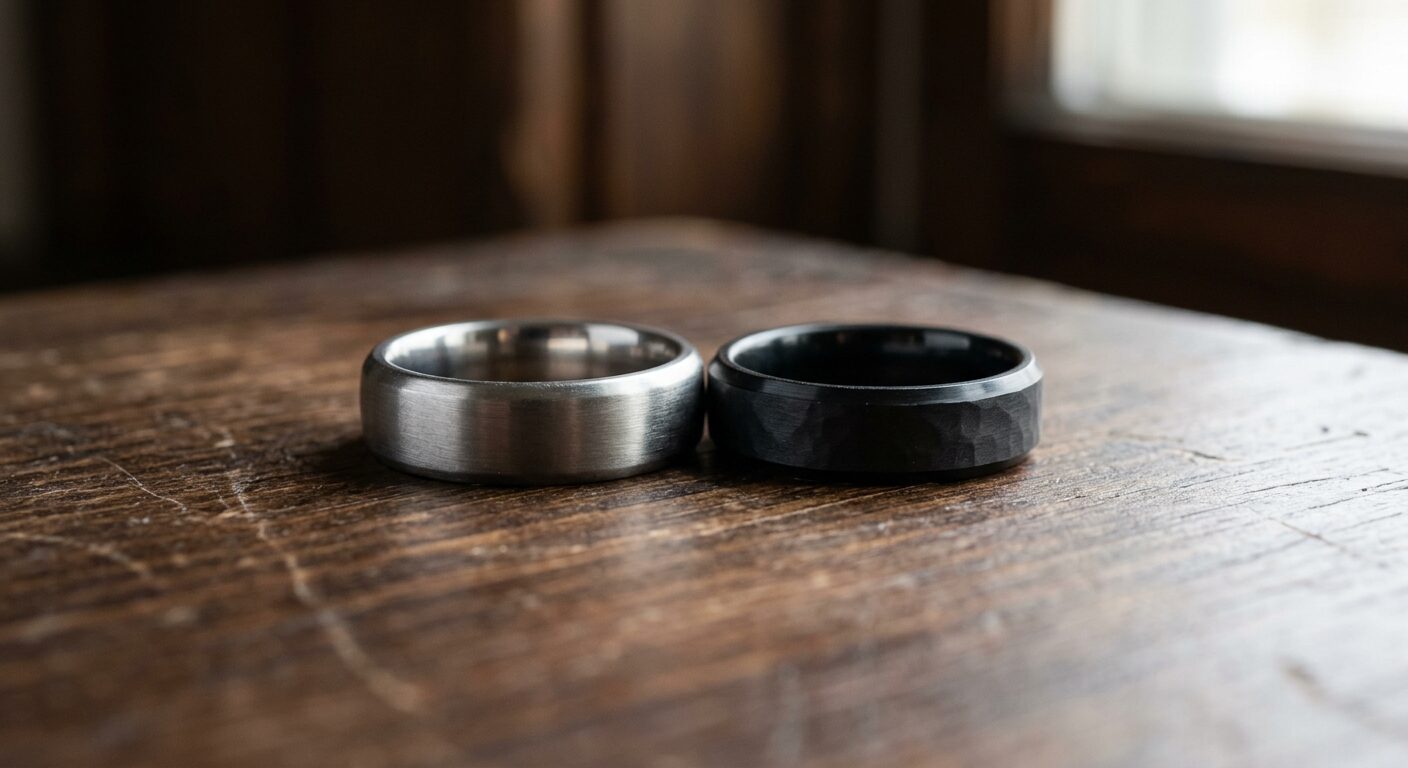
Style-wise, the range is broader than people think. A brushed tungsten ring looks different from a polished one. A black ceramic band reads very differently from a silver titanium band. Add in details like bevelled edges, inlays, or mixed finishes, and the category becomes a proper style playground rather than a single look.
That’s also why many men compare alternative metals with black rings and other modern finishes before buying. They want a band that fits their clothes, their job, and their personality. In other words, the ring has to work as hard as they do.
How to choose the right band
The best choice usually comes down to how the ring will be worn. If the wearer likes a bit of weight and a classic modern look, tungsten is often the first stop. If comfort and lightness matter more, titanium is hard to beat. If the goal is a clean, contemporary look with a darker edge, ceramic or black zirconium can be the winner.
Think about your day-to-day reality before you think about trends. A ring for an office worker may not need the same finish as one for a tradie or someone working outdoors. It also helps to consider width, profile, and finish so the band suits the hand rather than overpowering it.
For a lot of men, the best ring is the one they forget they’re wearing — until someone notices it. That’s where alternative metal rings really shine. They look intentional, they feel modern, and they hold up in a way that makes sense for Australian life.
Materials that changed the game
One big reason the category stuck was that the materials didn’t just look different; they changed the buying conversation. Men could compare the feeling of a heavy tungsten band against the lighter feel of titanium, then decide whether they wanted a matte look, a polished edge, or a darker finish that worked with everything in their wardrobe.
That flexibility helped alternative metals move from a novelty into a legitimate choice for grooms, partners, and anyone who wanted a wedding ring that felt more like everyday gear than a fragile keepsake. It also opened the door to mixed-material designs, where the band tells a bit more of a story than plain metal ever could.
FAQ
Here are the questions people ask most often when they’re comparing alternative metal wedding rings in Australia. The short version: there’s no single best material, just the one that fits the wearer’s lifestyle, taste, and expectations about daily wear.
Are alternative metal wedding rings actually durable enough for everyday wear?
Yes. The better alternative metals are built for daily use and are a strong choice for men who want a ring that can handle knocks, work, and regular wear. Durability depends on the material, but the category exists precisely because it is practical.
Do alternative metal rings feel cheaper than gold?
Not necessarily. They can feel different, but different is the point. A well-made tungsten or titanium band feels deliberate and premium in its own way, especially when the finish and proportions are well chosen.
Which alternative metal is best if I want a lighter ring?
Titanium is usually the first recommendation for a lighter feel. It suits men who want comfort on the hand and a low-profile presence, especially if they’re not used to wearing jewellery every day.
Can I wear an alternative metal ring if I work with my hands?
Usually yes, but it depends on the specific job and the ring design. Many men choose these rings because they suit hands-on work better than softer traditional metals. It is still smart to think about safety and whether the ring should come off for certain tasks.
{“@context”:”https://schema.org”,”@type”:”FAQPage”,”mainEntity”:[{“@type”:”Question”,”name”:”Are alternative metal wedding rings actually durable enough for everyday wear?”,”acceptedAnswer”:{“@type”:”Answer”,”text”:”Yes. The better alternative metals are built for daily use and are a strong choice for men who want a ring that can handle knocks, work, and regular wear. Durability depends on the material, but the category exists precisely because it is practical.”}},{“@type”:”Question”,”name”:”Do alternative metal rings feel cheaper than gold?”,”acceptedAnswer”:{“@type”:”Answer”,”text”:”Not necessarily. They can feel different, but different is the point. A well-made tungsten or titanium band feels deliberate and premium in its own way, especially when the finish and proportions are well chosen.”}},{“@type”:”Question”,”name”:”Which alternative metal is best if I want a lighter ring?”,”acceptedAnswer”:{“@type”:”Answer”,”text”:”Titanium is usually the first recommendation for a lighter feel. It suits men who want comfort on the hand and a low-profile presence, especially if they’re not used to wearing jewellery every day.”}},{“@type”:”Question”,”name”:”Can I wear an alternative metal ring if I work with my hands?”,”acceptedAnswer”:{“@type”:”Answer”,”text”:”Usually yes, but it depends on the specific job and the ring design. Many men choose these rings because they suit hands-on work better than softer traditional metals. It is still smart to think about safety and whether the ring should come off for certain tasks.”}}]}References
- GIA — Gemological Institute of America
- Encyclopaedia Britannica — Titanium processing
- CDC/NIOSH — workplace safety guidance
If you want a ring that feels modern, durable, and easy to wear, alternative metals are no longer the new thing — they’re just the smart thing. That’s why they’ve moved from niche to mainstream across Australia.
In practice, that means the right ring is the one he’ll actually wear every day.